Your Details
Results
Enter your details and click Calculate
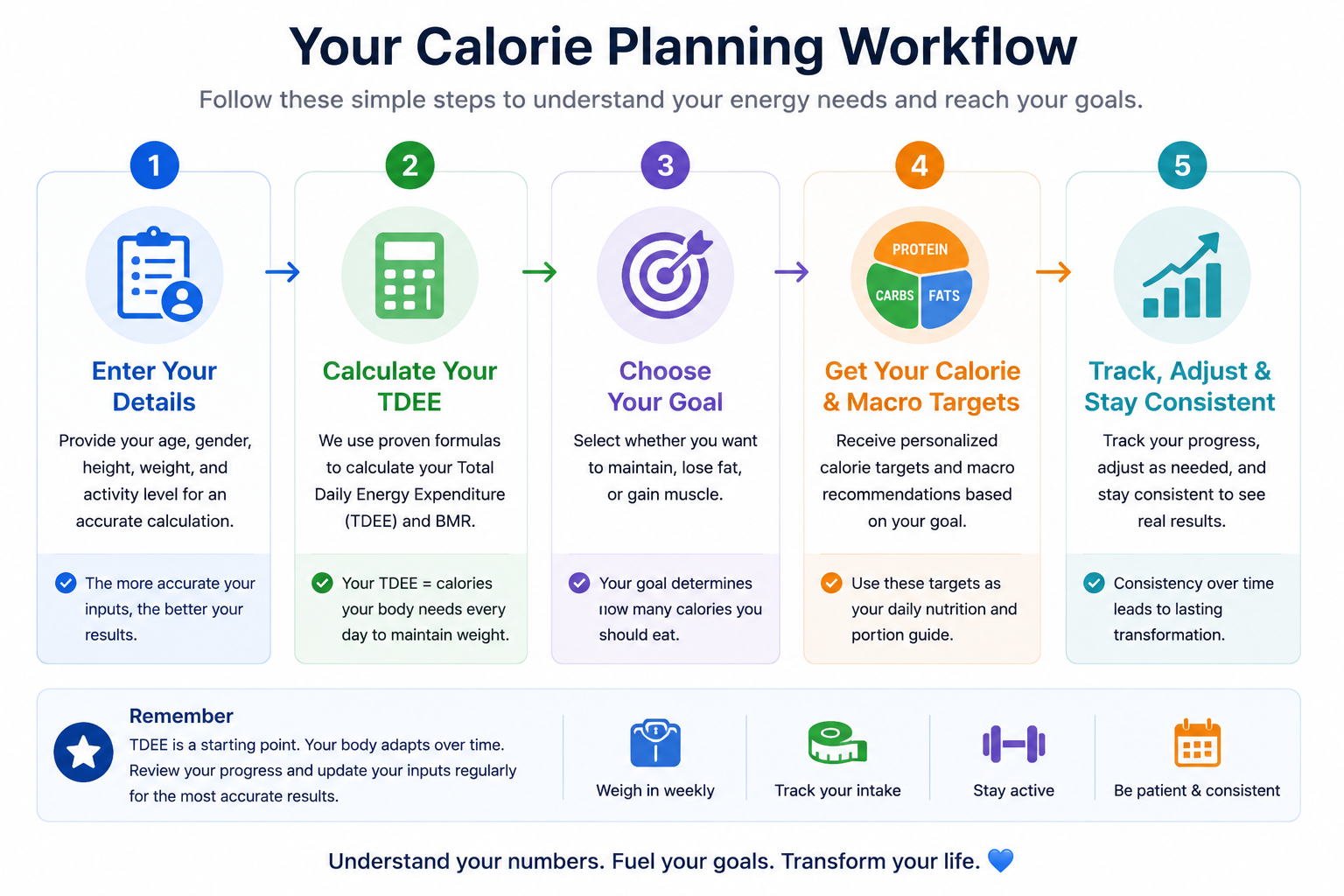
Welcome to TDEE.io's revolutionary free online TDEE calculator, specifically designed to help both men and women achieve their fitness goals with ease. Accurately estimate your Total Daily Energy Expenditure (TDEE) by entering details such as age, gender, height, weight, and activity level. Tailored to your unique body stats, our calculator delivers precise maintenance calorie insights, empowering you to effectively plan your weight loss or muscle gain journey. Begin making informed nutrition decisions and take control of your health and fitness objectives today with data-driven calculations that complement your lifestyle.
Brief Overview
Understanding your Total Daily Energy Expenditure (TDEE) is essential for effective weight management. TDEE.io's comprehensive calculator estimates daily calorie needs based on your personal stats and activity level, helping both men and women accurately plan for weight loss or muscle gain. By calculating your Basal Metabolic Rate (BMR) and adjusting for activity, TDEE.io provides actionable insights for tailored nutrition planning. With precise calorie and macro recommendations, TDEE.io empowers you to manage your fitness goals, promoting sustainable and informed health and lifestyle choices.
Key Highlights
- TDEE.io's calculator empowers users to estimate daily calorie needs based on individual body stats and activity levels.
- Understanding TDEE is crucial for setting realistic weight loss and muscle gain targets, aligning calorie intake with fitness goals.
- TDEE and Basal Metabolic Rate (BMR) calculations help tailor nutrition plans for effective weight management.
- The role of body stats and activity level is significant in influencing Total Daily Energy Expenditure (TDEE). Implementing TDEE insights in everyday life ensures alignment of diet and exercise for sustainable fitness success.
Understanding Your Total Daily Energy Expenditure (TDEE)
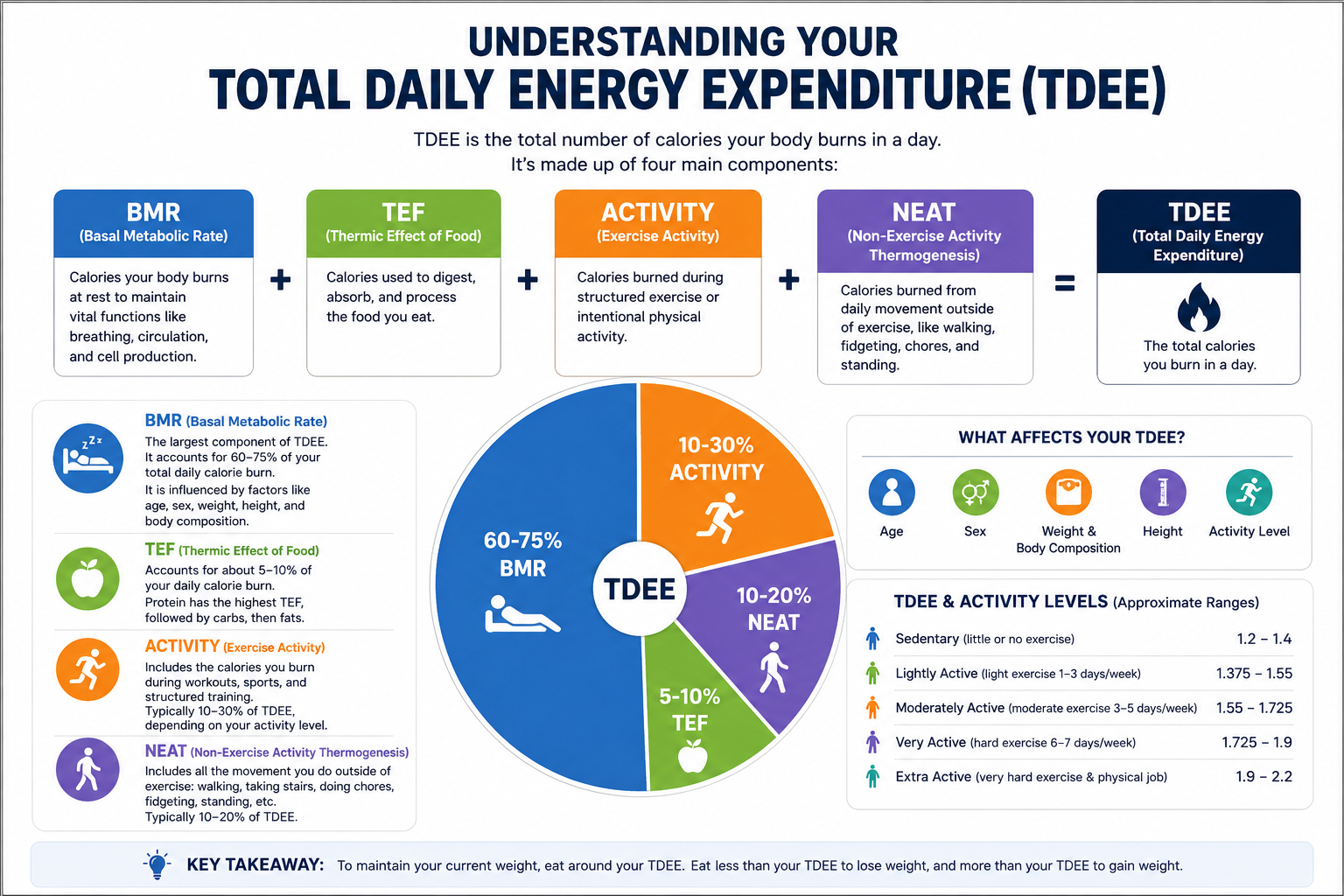
Understanding your Total Daily Energy Expenditure (TDEE) is crucial for effective weight loss and overall health management. It represents the total calories your body requires daily to maintain its current weight, considering activity level and other factors. By using TDEE.io, you can accurately estimate your TDEE and plan your calorie intake accordingly. This includes calculating your Basal Metabolic Rate (BMR), which is part of total daily energy expenditure. Once you know your TDEE, you can devise a strategy that aligns with your goals, whether it’s to create a calorie deficit for weight loss or adjust your diet for muscle gain, helping you manage your health TDEE effectively and sustainably.
Why Knowing Your TDEE Matters for Weight Loss
Understanding your Total Daily Energy Expenditure (TDEE) is crucial in achieving weight loss success. It provides clarity on how much to eat and manage your calorie intake effectively. By knowing your TDEE, you can set a realistic weight loss goal that aligns with your body’s energy needs. Tailoring your weight loss program based on this information helps prevent losing weight too quickly, which can be unsustainable and unhealthy. Moreover, your TDEE accounts for your body's activity level, ensuring you're not depriving yourself of necessary nutrients. With TDEE.io, you’ll have the data-driven insights to make informed dietary decisions on your loss journey.
How to Calculate Your TDEE
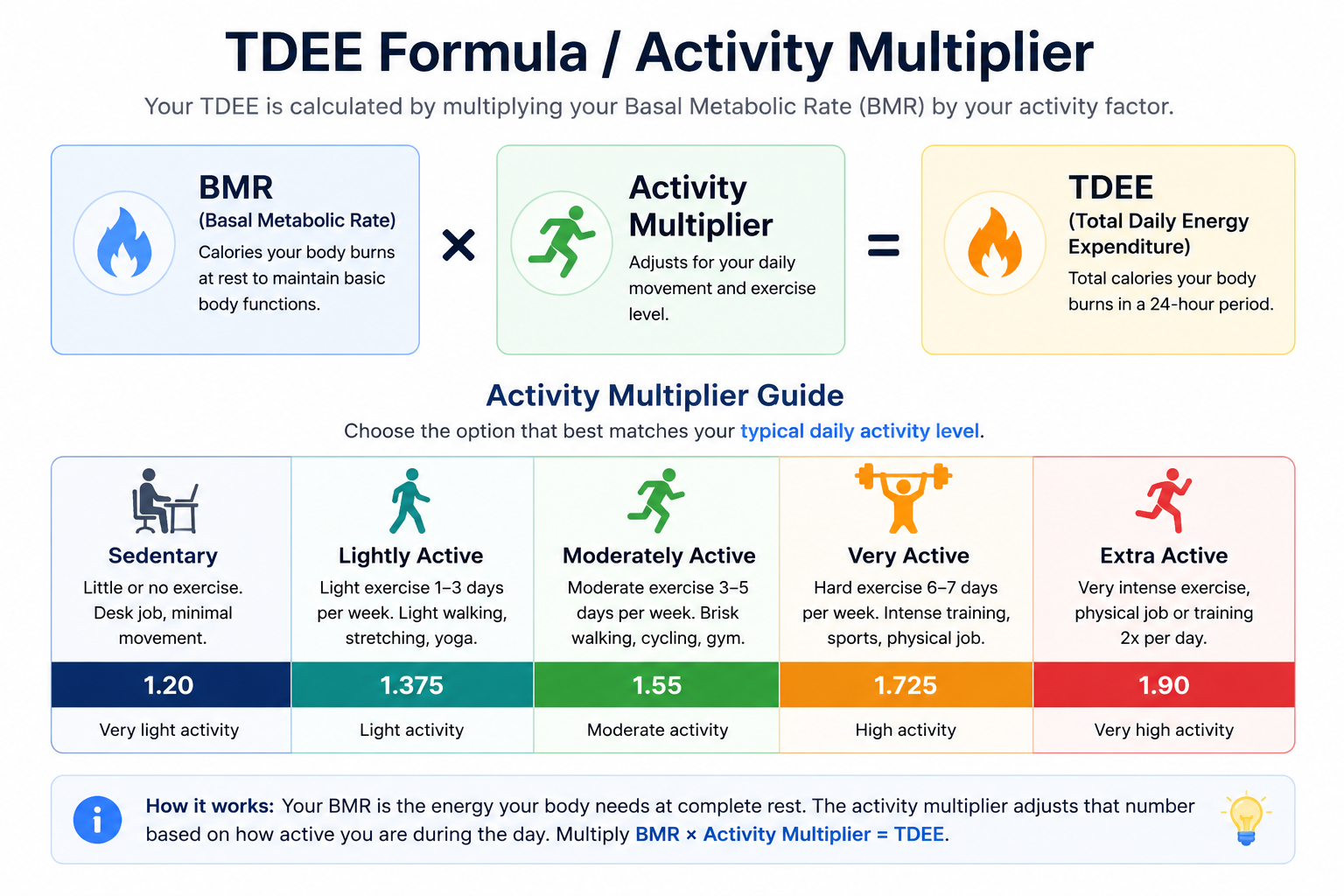
To determine your Total Daily Energy Expenditure (TDEE), you'll need to use the TDEE calculator from TDEE.io. Start by inputting your body stats, including your age, gender, height, and weight. Your exercise and daily activity levels are crucial for accuracy, so be honest when entering these details. Our calculator then considers your Basal Metabolic Rate (BMR), which is the calories you'd burn without any movement, combining it with your activity level to calculate your TDEE. Simply put, you'll get a precise estimate of how many calories your body needs daily. This personalized insight makes it easier to tailor your food choices for effective weight management.
The Role of Body Stats and Activity Level
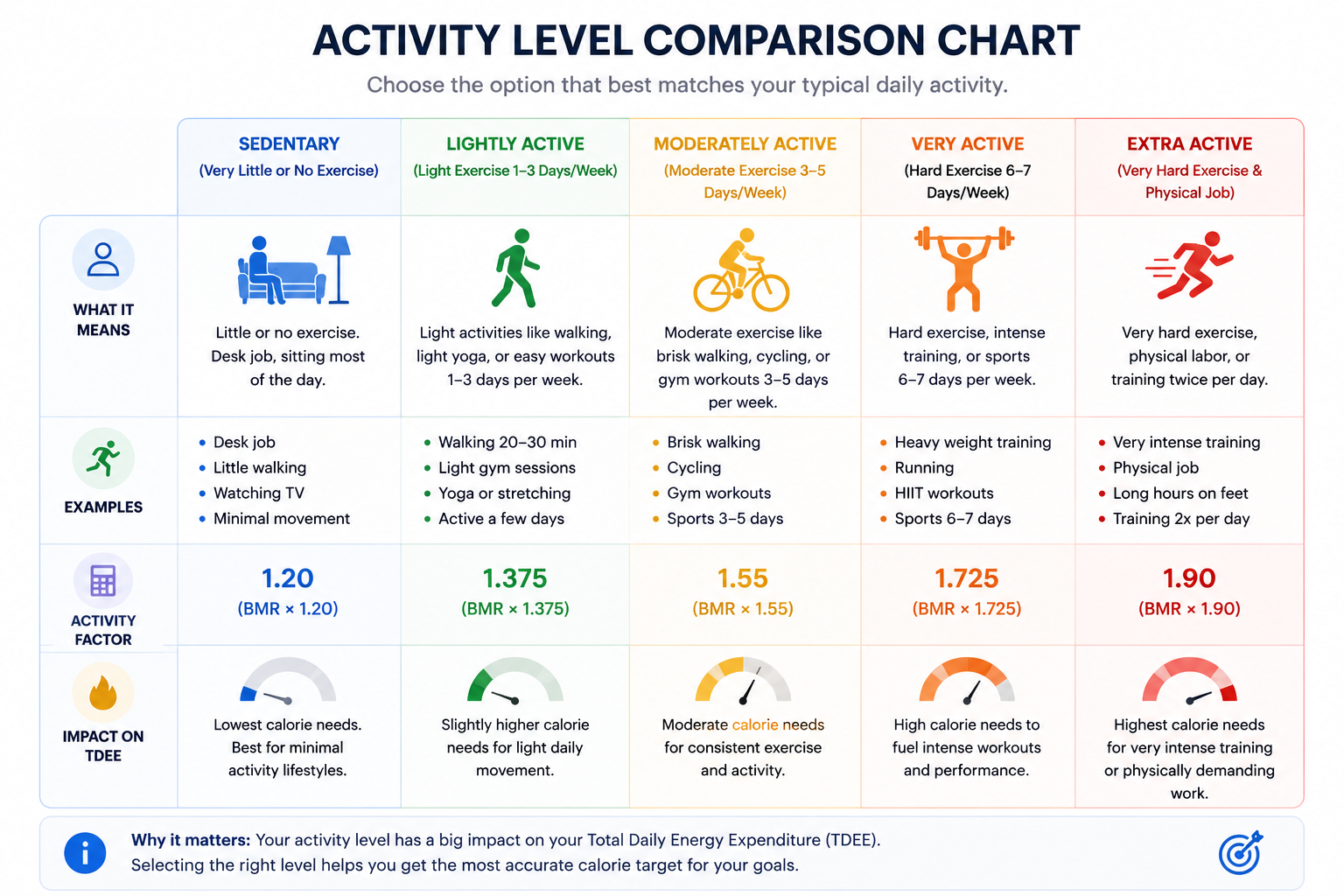
Understanding how your body's stats and activity level influence your Total Daily Energy Expenditure (TDEE) is crucial for effective weight loss. Factors such as height, weight, age, and gender determine your Basal Metabolic Rate (BMR), which is the rate at which your body burns calories at rest. Meanwhile, your activity factor plays a significant role in modifying your TDEE, considering how active or sedentary your lifestyle is. An active individual will require more calories due to a higher expenditure rate, while a less active person might need fewer calories. Adapting your diet and exercise regimen to align with these dynamics enables targeted and sustainable weight management. So, let's focus on using your activity data effectively!
Exploring the Calculated TDEE for Individual Needs
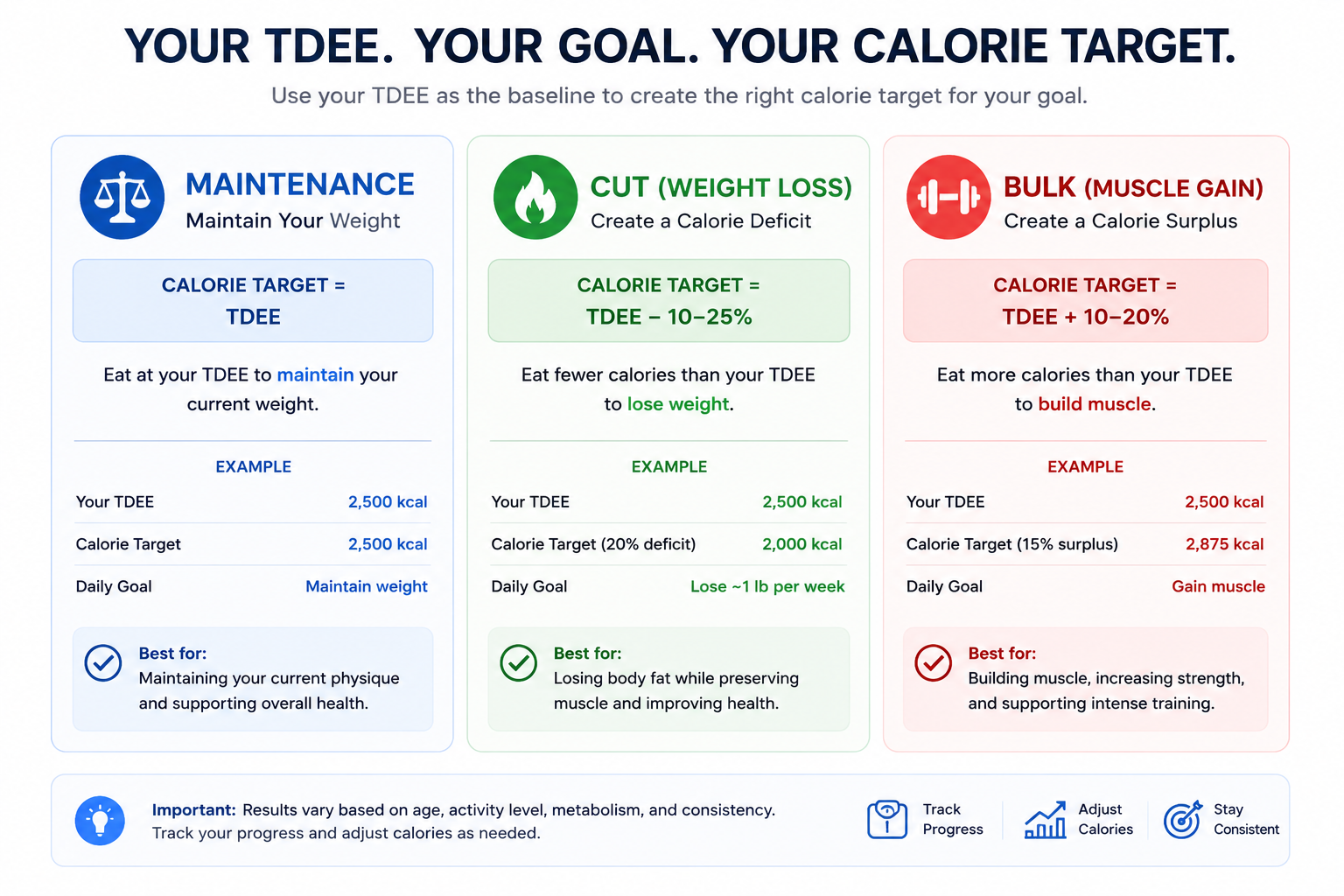
When it comes to personalized fitness goals, understanding your calculated TDEE is essential. By considering your body stats and activity level, TDEE.io provides accurate estimates of your daily energy expenditure. Whether you aim to lose weight, build muscle, or maintain your current physique, knowing your TDEE helps in optimizing your calorie intake. Each single day, your body's energy requirements vary, making this an invaluable tool for tailoring your nutrition plan. With calculated TDEE insights, you can effectively manage calories and foster a healthier, fitter lifestyle. Start making informed decisions about your energy expenditure today with our reliable TDEE.io calculator.
Using TDEE Results to Tailor Fitness Goals
Understanding your TDEE results is crucial in tailoring a fitness program that aligns with your unique weight and health objectives. By evaluating your personal stats and activity level, you can customize a plan that supports your desired outcomes, whether that’s weight loss or muscle gain. Implementing a fitness program that considers your TDEE results ensures you’re managing your daily caloric intake effectively to either lower your weight or maintain a healthy rate of muscle growth. By leveraging your TDEE, you can align your fitness goals with sustainable changes, enhancing your level of energy and overall health.
The Connection Between TDEE and Metabolic Rate
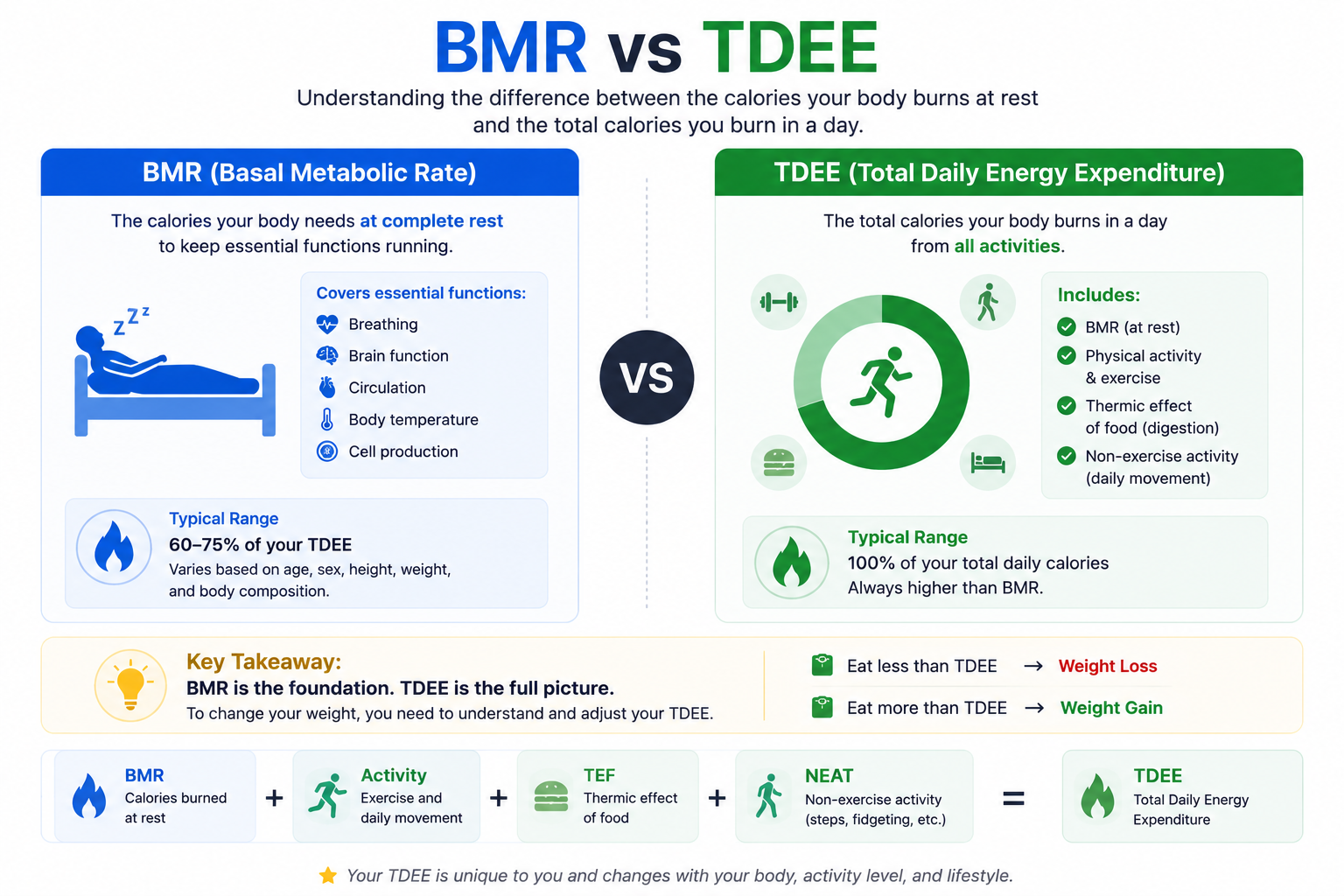
Your Total Daily Energy Expenditure (TDEE) is intricately connected to your metabolic rate, a vital factor in achieving weight loss and fitness goals. TDEE represents the total energy expenditure based on your Basal Metabolic Rate (BMR) and activity level, reflecting how many calories you burn daily. By understanding the relationship between TDEE, metabolic rate, and energy expenditure, you can tailor your calorie intake to suit your objectives, whether it's shedding pounds or building muscle. Regular exercise can elevate your metabolic rate, further enhancing your energy expenditure. Knowing your TDEE is essential for crafting effective and personalized nutrition and fitness strategies.
Understanding How Metabolic Rate Impacts Weight Management
Understanding your metabolic rate is crucial for effective weight loss. Your metabolic rate determines how many calories you burn at rest, meaning the higher it is, the more you can eat without gaining weight. Different factors such as age, gender, activity level, and body composition impact your metabolic rate. By knowing this rate, you can tailor your food intake to either lose weight or maintain health. Adjusting your activity level and the food you eat can enhance your metabolic rate. Properly managing your calorie intake based on your level ensures a healthier approach to weight loss without compromising essential nutrients.
Analyzing Daily Energy Needs
In this section, we’ll delve into how to effectively analyze your daily energy needs. Assessing your Total Daily Energy Expenditure (TDEE) involves understanding your body's energy expenditure through various activities. Your estimated calorie needs will fluctuate based on the balance between your Basal Metabolic Rate (BMR) and the activity factor associated with your daily exercise routine. By focusing on these estimates, you can tailor your food intake to meet specific energy expenditure goals. Whether aiming for weight loss, muscle gain, or maintenance, understanding these factors is crucial for optimizing your health. Empower yourself with knowledge for precise calorie management and effective exercise planning.
Aligning Daily Energy and Macronutrient Intake with Goals
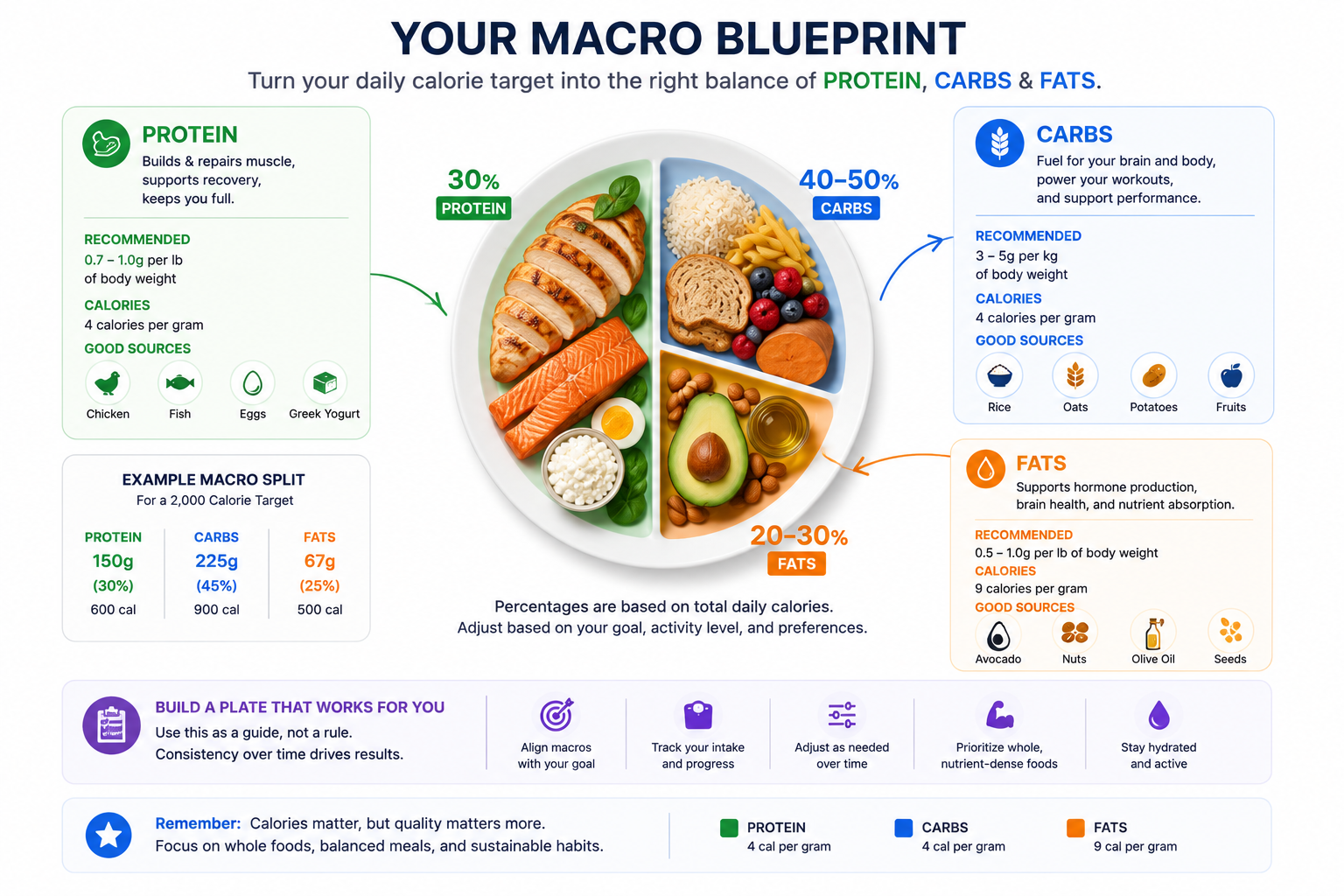
To achieve your health goals, it's vital to align your daily energy intake and macronutrient distribution with your body's needs. By understanding your TDEE, you can adjust food intake according to your activity level, ensuring it supports your desired weight management objectives. Whether you're looking to lose weight or gain muscle, monitoring this alignment helps maintain a healthy metabolic rate. The combination of calculated calorie intake and an appropriate macro balance fosters an effective plan for health improvements. Remember, tailoring your nutritional approach to your daily energy expenditure enhances not only your fitness level but also your overall health goals.
Maximizing Results Through Energy Expenditure Management
Unlock the key to sustainable fitness success by focusing on energy expenditure management. Understanding the relationship between calorie intake and calorie burn is essential for achieving weight and muscle goals. By efficiently managing your exercise and daily activity levels, you can tailor your calorie targets for effective weight management, whether your aim is to shed pounds or gain muscle. Knowing how active you are and how it impacts energy expenditure helps in crafting a balanced fitness and nutrition plan tailored to your individual needs. Let TDEE.io guide you in aligning your energy expenditure with your desired fitness outcomes for optimal results.
Strategies to Enhance Your Calorie Burn
Boosting your calorie burn isn't as daunting as it seems when you incorporate effective strategies into your fitness program. Engage in regular exercise to elevate your active lifestyle and increase the thermic effect of your activities. Intensifying your exercise regimen raises your heart rate and calorie consumption. Adjust your activity level progressively to keep challenging your body. Integrate strength training, which continues torching calories post-workout. Also, consider how your eating habits impact your calorie usage, as nutrition plays a pivotal role in health. By comprehensively aligning these methods, you'll better enhance your energy expenditure, aiding in achieving your health and fitness goals.
Practical Tips for Applying Your TDEE in Everyday Life
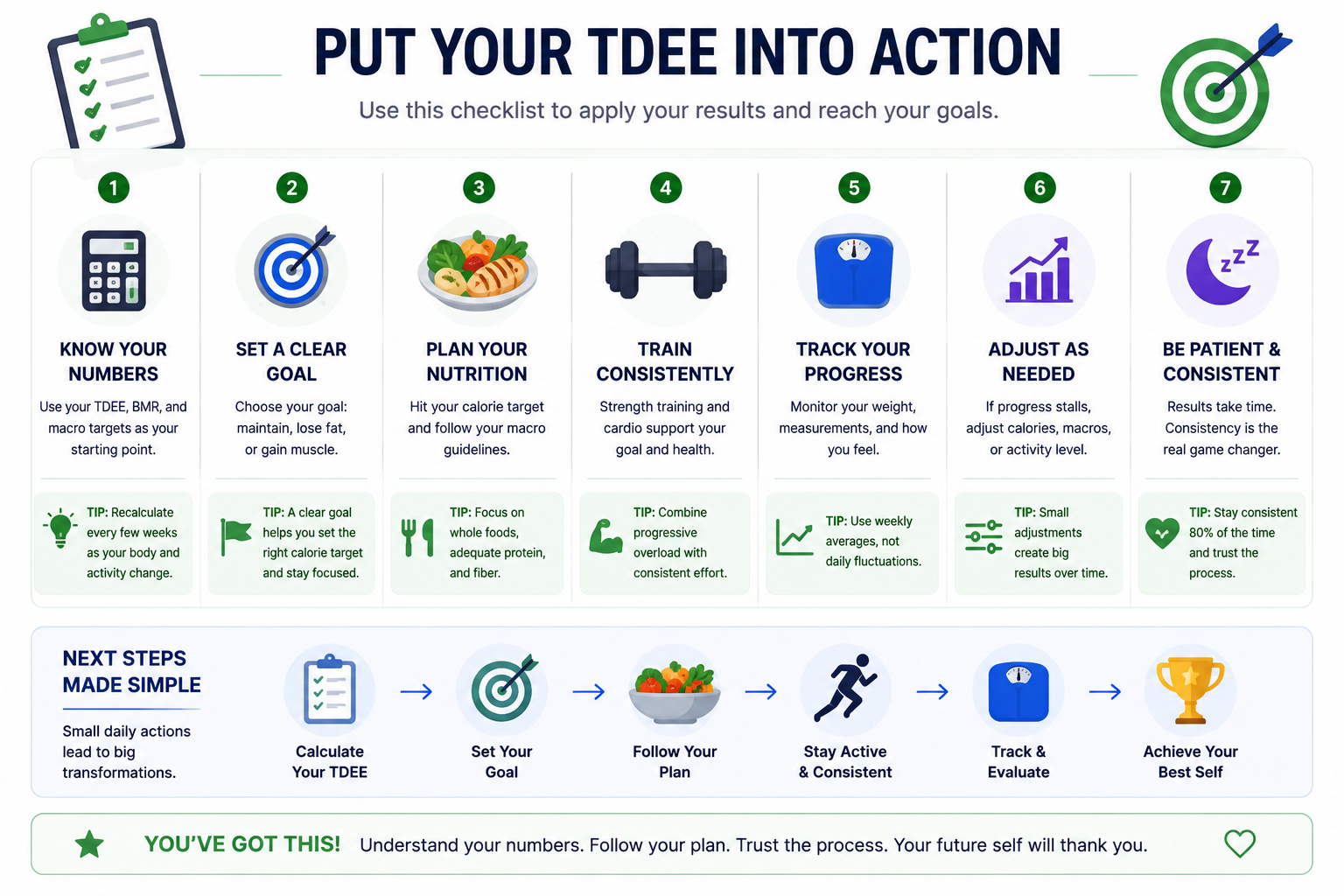
Establishing a fitness routine to align with your TDEE is crucial for achieving your body goal. Start by estimating your maintenance calories using the TDEE.io calculator to understand how much you need to eat daily. Knowing your Basal Metabolic Rate (BMR) and TDEE helps you make informed choices about food intake and exercise habits. Adjust your diet to meet your goals, whether it’s weight loss or muscle gain, by planning meals around your TDEE estimate. Track your progress and tweak your strategy as your body responds. Remember, consistency and mindful eating are key to aligning energy expenditure with your fitness aspirations.
Implementing Calorie Targets for Sustainable Weight Changes
Achieving sustainable weight change involves setting precise calorie targets based on your daily energy needs. By understanding your Total Daily Energy Expenditure (TDEE), you can determine how many calories your body requires for maintenance and make adjustments to support weight loss or gain. Tracking food intake alongside exercise habits helps align your daily calorie targets with your goals. It's crucial to consider metabolic rate and adjust your food plans, aiming to create a realistic loss rate for fitness objectives. Our TDEE.io calculator ensures you're focusing on effective calorie management, facilitating a healthy balance between calories, weight, and exercise.
Embarking on your fitness journey requires the right tools to ensure success, and the TDEE calculator from TDEE.io offers exactly that. By understanding your Total Daily Energy Expenditure, you can make informed decisions about your nutrition and exercise, whether your goal is weight loss, muscle gain, or maintaining your current weight. Remember, it's not just about numbers; it's about creating a sustainable and healthy lifestyle. Let TDEE.io guide you in tailoring your dietary and fitness plan to match your personal needs, enabling you to achieve your goals with confidence and precision.
Frequently asked questions
What is Total Daily Energy Expenditure (TDEE) and why is it important?
Total Daily Energy Expenditure (TDEE) is the total number of calories your body needs to maintain its current weight, taking into account both your Basal Metabolic Rate (BMR) and physical activity level. Understanding your TDEE is crucial for weight management because it helps tailor your calorie intake to support goals such as weight loss or muscle gain effectively.
How does TDEE.io help in planning my fitness goals?
TDEE.io provides a free online calculator to estimate your TDEE based on personal stats like age, gender, height, weight, and activity level. This data-driven tool empowers you to make informed nutrition decisions, allowing you to plan for weight loss, muscle gain, or maintenance with precision and ease.
What information do I need to use the TDEE.io calculator?
To use the TDEE.io calculator, you will need to provide information about your age, gender, height, weight, and activity level. Being accurate and honest with these details is essential to obtaining a precise estimate of your daily caloric needs.
Why is Basal Metabolic Rate (BMR) significant in calculating TDEE?
Basal Metabolic Rate (BMR) is the rate at which your body burns calories at rest to maintain essential life functions. It is a crucial component of TDEE calculations because it forms the foundation upon which your activity level adjusts to provide a complete picture of your calorie needs.
How can I adjust my diet based on TDEE insights for weight management?
Once you know your TDEE, you can create a calorie deficit for weight loss by consuming fewer calories than you burn, or increase calorie intake for muscle gain if that is your goal. Use TDEE insights to adjust portion sizes and macronutrient balance to align your diet with your fitness objectives sustainably.